Short Description
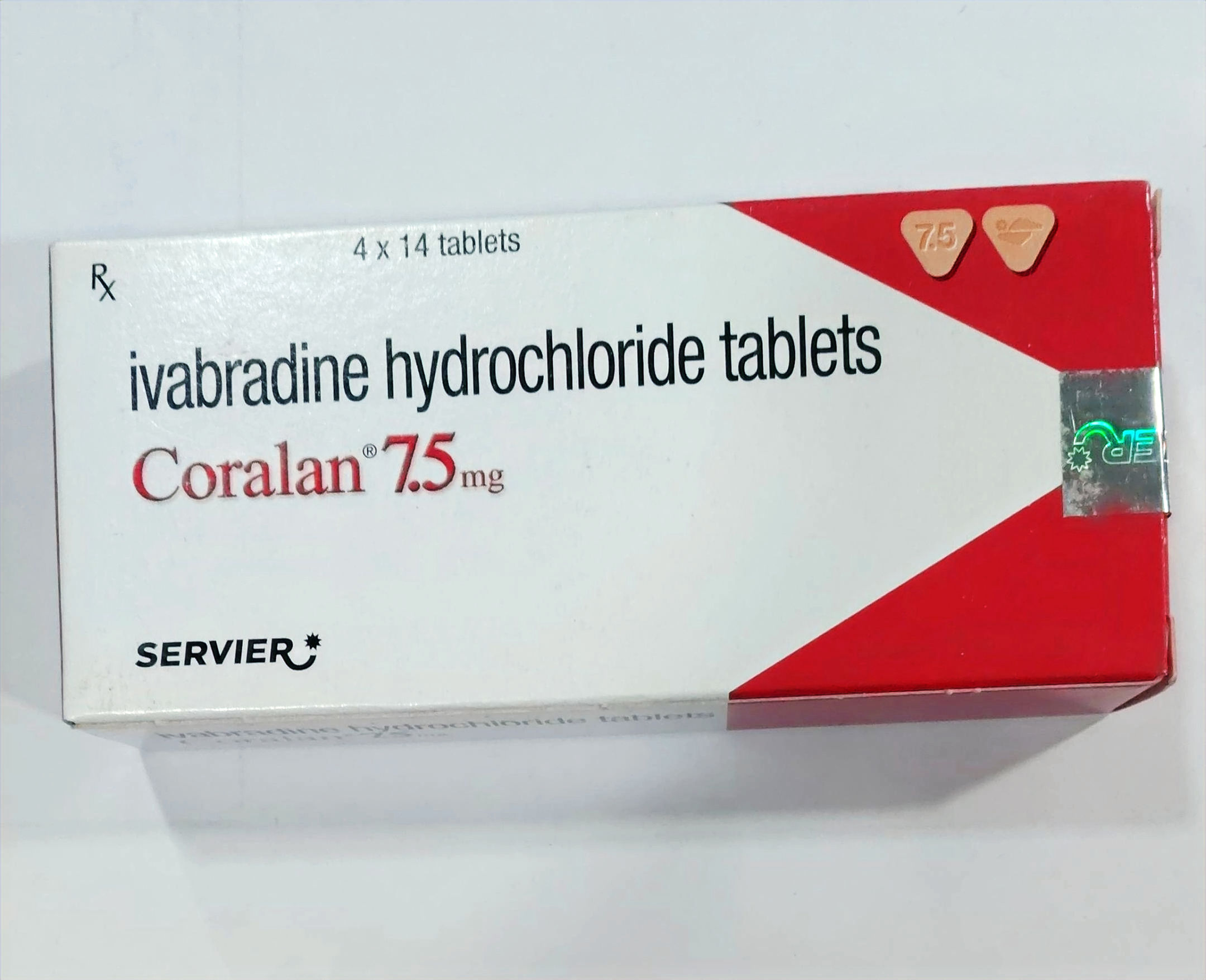
Ivabradine Hydrochloride 7.5mg Tablets are a heart rate-lowering medicine used in selected patients with chronic stable angina or chronic heart failure. They work by slowing the heart's natural pacemaker, helping reduce the heart's workload and supporting symptom management in appropriately selected patients.
What Is Ivabradine Hydrochloride 7.5mg?
Ivabradine Hydrochloride 7.5mg is an oral cardiovascular medicine containing ivabradine hydrochloride equivalent to 7.5mg of ivabradine per tablet.
It belongs to a class of medicines called selective sinus node If channel inhibitors. Unlike beta-blockers, ivabradine primarily lowers heart rate without directly reducing the strength of heart muscle contraction.
Ivabradine is used for specific heart conditions in patients who have a normal sinus heart rhythm. Approved indications and eligibility criteria vary by country, including whether the medicine is used for stable angina, chronic heart failure, or both.
Uses
Ivabradine Hydrochloride 7.5mg may be prescribed to:
Manage symptoms of chronic stable angina in selected adults with coronary artery disease and an elevated resting heart rate.
Provide additional heart rate control when beta-blockers are unsuitable, not tolerated, or insufficient for angina management, where locally approved.
Reduce the risk of hospitalisation for worsening heart failure in eligible patients with chronic heart failure, reduced left ventricular ejection fraction, sinus rhythm, and an elevated resting heart rate.
Support long-term management of selected patients with chronic heart failure alongside other recommended treatments.
The appropriate treatment and dose should be determined by a healthcare professional based on heart rate, heart rhythm, medical history, and local prescribing recommendations.
How Does Ivabradine Work?
Ivabradine works by selectively blocking the If (funny) current in the sinoatrial node, the heart's natural pacemaker.
This slows the electrical impulses that control the heartbeat, reducing heart rate without directly affecting the force of heart muscle contraction.
A lower heart rate reduces the heart's oxygen demand and allows more time for the heart to fill between beats. Heart rate changes may occur soon after treatment begins, while clinical benefits are assessed over time.
How to Take Ivabradine
Take Ivabradine exactly as prescribed by your healthcare professional.
Ivabradine tablets are generally taken twice daily, with morning and evening meals.
Take doses at approximately the same times each day.
Swallow the tablets with water.
Take ivabradine with food, as meals affect its absorption.
Avoid grapefruit and grapefruit juice during treatment because they can increase ivabradine exposure.
Your healthcare professional may adjust the dose according to your resting heart rate and treatment response.
Do not stop treatment or change the dose without professional advice.
If you miss a dose, take the next dose at the usual scheduled time. Do not take a double dose to make up for a missed dose.
Important Safety Information
Before taking Ivabradine Hydrochloride 7.5mg Tablets, inform your doctor or pharmacist about your medical history and all prescription medicines, over-the-counter products, supplements, and herbal remedies you use.
Particular caution is required if you have:
A low resting heart rate (bradycardia).
Atrial fibrillation or other heart rhythm disorders.
Low blood pressure or episodes of dizziness and fainting.
Heart conduction disorders, including certain types of heart block.
Severe liver impairment.
A history of stroke or other significant cardiovascular conditions.
Visual disturbances or conditions that may be affected by changes in light perception.
Ivabradine must not be used in certain conditions, including clinically significant bradycardia, cardiogenic shock, acute myocardial infarction, and acute or unstable heart failure. Other contraindications depend on the applicable prescribing information.
Ivabradine can increase the risk of bradycardia and atrial fibrillation. Heart rate and rhythm should be monitored during treatment.
Important interactions include strong CYP3A4 inhibitors such as clarithromycin, ketoconazole, and certain HIV medicines. Verapamil and diltiazem should not be combined with ivabradine because they can increase ivabradine exposure and further lower heart rate. Other heart rate-lowering medicines and drugs that prolong the QT interval may also require caution.
Always check possible interactions with your doctor or pharmacist before starting treatment.
Pregnancy & Breastfeeding
Pregnancy: Ivabradine is contraindicated during pregnancy in several major regulatory jurisdictions because animal studies have shown reproductive toxicity and human pregnancy data are limited. Women who could become pregnant should discuss effective contraception with their healthcare professional during treatment.
Breastfeeding: Ivabradine is generally contraindicated during breastfeeding because animal studies indicate that it passes into milk, and potential effects on breastfed infants are uncertain.
If you are pregnant, planning a pregnancy, or breastfeeding, consult your doctor or pharmacist before taking ivabradine. Alternative treatment may be required.
Side Effects
Like all medicines, Ivabradine can cause side effects, although not everyone experiences them.
Common side effects may include:
Temporary flashes or increased brightness in vision (phosphenes)
Slow heart rate (bradycardia)
Headache
Dizziness
Blurred vision
Changes in blood pressure
Seek prompt medical attention if you experience fainting, severe dizziness, an unusually slow heartbeat, or new irregular palpitations. Chest pain that is severe, persistent, or worsening requires urgent medical assessment.
This is not a complete list of side effects or warnings. Please refer to the product packaging and patient information leaflet supplied with your medicine for complete information and speak with your doctor or pharmacist if you have concerns.
Storage
Store Ivabradine Hydrochloride 7.5mg Tablets according to the instructions shown on the original product packaging.
Keep the tablets in their original packaging.
Protect from excessive heat, moisture, and light where indicated.
Keep out of the sight and reach of children.
Do not use after the expiry date printed on the packaging.