
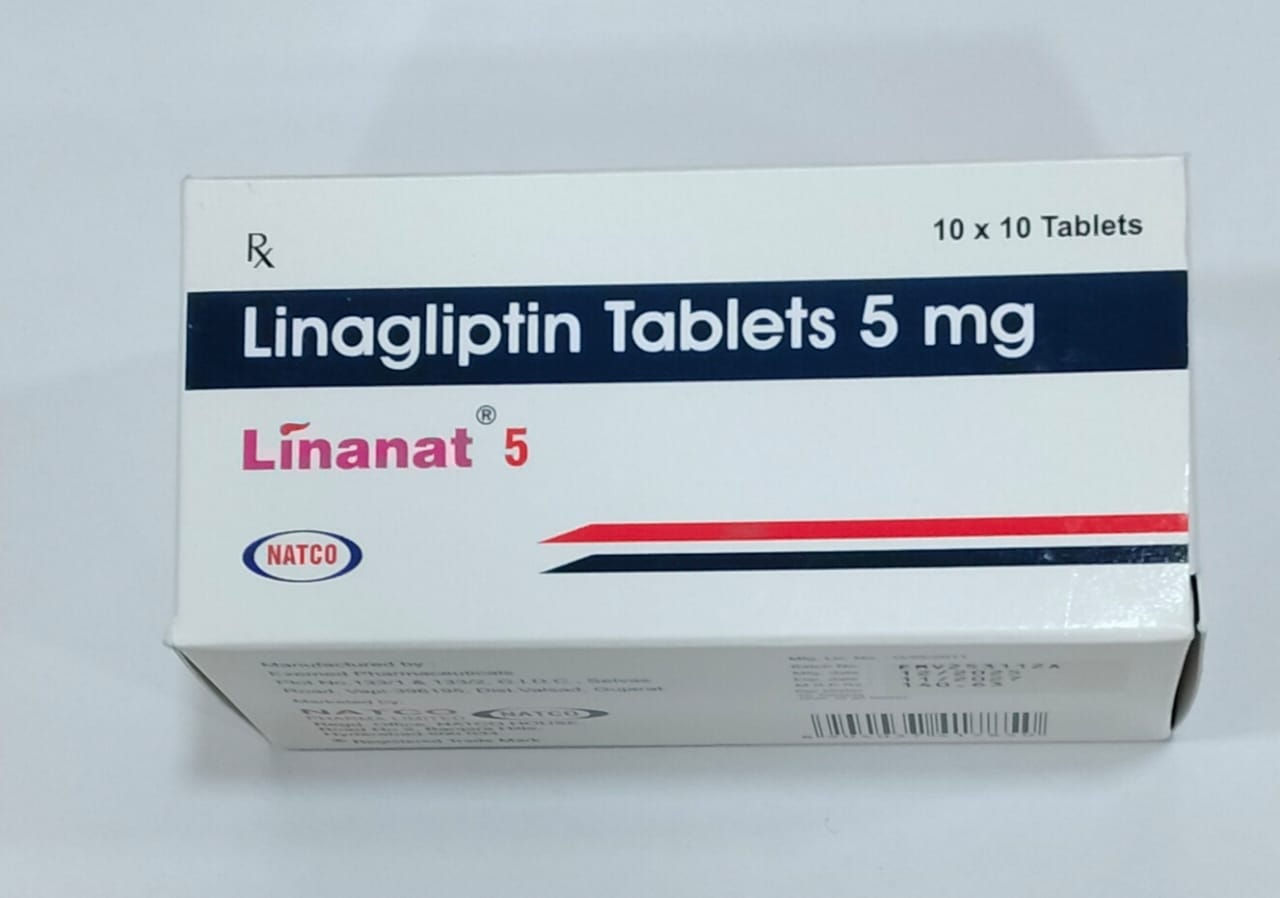
Generic Tradjenta (Linagliptin) 5MG
$59.00Price
Generic Name: Linagliptin
Strength: 5 mg
Dosage Form: Tablet
Medicine Class: Dipeptidyl peptidase-4 (DPP-4) inhibitor
Manufacturer/Brand: NATCO / LINANAT 5MG
Linagliptin 5 mg is an oral prescription medicine used to help manage blood glucose levels in adults with type 2 diabetes. It belongs to the DPP-4 inhibitor class and is generally used alongside diet and exercise, either alone or in combination with other diabetes medicines.
Linagliptin 5 mg contains linagliptin, an active ingredient in the DPP-4 inhibitor class of oral diabetes medicines. Tradjenta is a recognized brand name for linagliptin.
The medicine helps regulate blood glucose levels in adults with type 2 diabetes. It may be prescribed on its own or alongside other diabetes treatments, depending on the individual's treatment plan.
Linagliptin 5 mg may be prescribed to:
Help improve blood glucose control in adults with type 2 diabetes.
Support diabetes management alongside a balanced diet and regular physical activity.
Help manage blood glucose levels when used alone or in combination with other prescribed diabetes medicines.
The appropriate treatment and dose should be determined by a healthcare professional. Linagliptin is not intended to treat type 1 diabetes or diabetic ketoacidosis.
Linagliptin blocks an enzyme called dipeptidyl peptidase-4 (DPP-4). This increases the activity of certain natural hormones called incretins, which help the body release insulin when blood glucose levels are elevated and reduce the amount of glucose released by the liver.
Its effect on blood glucose develops as part of ongoing treatment. Regular blood glucose monitoring and follow-up help a healthcare professional assess how well the treatment is working.
Take Linagliptin exactly as prescribed by your healthcare professional.
Typical frequency: The usual prescribed adult dose is 5 mg once daily.
With or without food: It can generally be taken with or without food.
Timing: Try to take it at the same time each day.
How to take it: Swallow the tablet with water according to the product instructions.
Missed dose: Take the missed dose when remembered unless it is nearly time for the next dose. Skip it if the next dose is due soon, and do not take two doses together to make up for a missed dose.
Continuing treatment: Do not stop or change the dose without consulting your healthcare professional.
Follow the instructions on your specific product packaging and prescription.
Before taking linagliptin, tell your doctor or pharmacist about your medical history and all medicines, vitamins, supplements, and herbal products you use.
Use particular caution and seek medical advice if you:
Have had pancreatitis or problems affecting the pancreas.
Have a history of heart failure or risk factors for heart failure.
Have previously experienced a serious allergic reaction to linagliptin or another DPP-4 inhibitor.
Take insulin or sulfonylureas, which may increase the risk of low blood glucose when used with linagliptin.
Linagliptin may interact with medicines such as rifampicin, which can reduce its effectiveness. Combining it with insulin or certain other diabetes medicines may also increase the risk of hypoglycaemia.
Check all potential medicine interactions with your doctor or pharmacist before starting treatment.
Linagliptin is generally not recommended during pregnancy because information about its effects in pregnant women is limited. A healthcare professional may recommend an alternative treatment to manage blood glucose during pregnancy.
Information about linagliptin use during breastfeeding is also limited. Discuss the potential benefits and risks with your doctor before using this medicine while breastfeeding. Do not stop or change diabetes treatment without professional guidance.
Like all medicines, Linagliptin can cause side effects, although not everyone experiences them.
Commonly reported side effects may include:
Cold-like symptoms, including a blocked or runny nose.
Cough.
Diarrhoea.
Low blood glucose may occur more often when linagliptin is combined with insulin or sulfonylureas. Seek urgent medical attention for severe, persistent abdominal pain that may spread to the back, difficulty breathing, swelling of the face or throat, or a severe blistering skin rash.
This is not a complete list of side effects or warnings. Please refer to the product packaging and patient information leaflet supplied with your medicine for complete information and speak with your doctor or pharmacist if you have concerns.
Store Linagliptin according to the instructions shown on the original product packaging.
Keep the tablets in their original packaging where possible.
Protect the medicine from conditions that may affect its quality, as specified on the packaging.
Keep out of reach of children.
Do not use the medicine after its expiry date.
Storage requirements may vary by manufacturer and product presentation.
Linagliptin 5 mg is used to help control blood glucose levels in adults with type 2 diabetes. It is generally prescribed alongside diet and exercise and may be combined with other diabetes medicines.
Linagliptin starts acting after a dose, but improvements in blood glucose control are assessed over time. The response varies between individuals and can be monitored by checking blood glucose levels and other measures recommended by a healthcare professional.
Yes. Linagliptin can generally be taken with or without food. Follow the instructions provided with your specific product.
Linagliptin is usually taken once daily. Taking it at the same time each day may help maintain a consistent routine.
Tradjenta is a recognised brand of linagliptin. A generic product containing linagliptin has the same active ingredient, but inactive ingredients, packaging, and product presentation may differ. Check the product details and consult a pharmacist if you are unsure about a substitution.
Linagliptin may be prescribed with metformin, insulin, or other diabetes medicines when clinically appropriate. However, combinations involving insulin or sulfonylureas may increase the risk of low blood glucose, so treatment should be monitored by a healthcare professional.
Do not stop taking linagliptin simply because your blood glucose readings improve. Improved readings may reflect the effect of your treatment, and any change should be discussed with your healthcare professional.